
Essential Packing · Egypt Travelling Guides
Essential Items for Regional Travel
Preparation is the key to a comfortable experience when exploring diverse climates. The Egyptian environment—particularly in resort and desert areas—demands specific gear to handle high UV levels, shifting temperatures, and sandy terrain. This guide outlines the practical necessities for any traveller into Egypt, focusing on utility and protection.
Packing Zones
01 / 06
Section 01 · Clothing
Clothing for Arid Climates
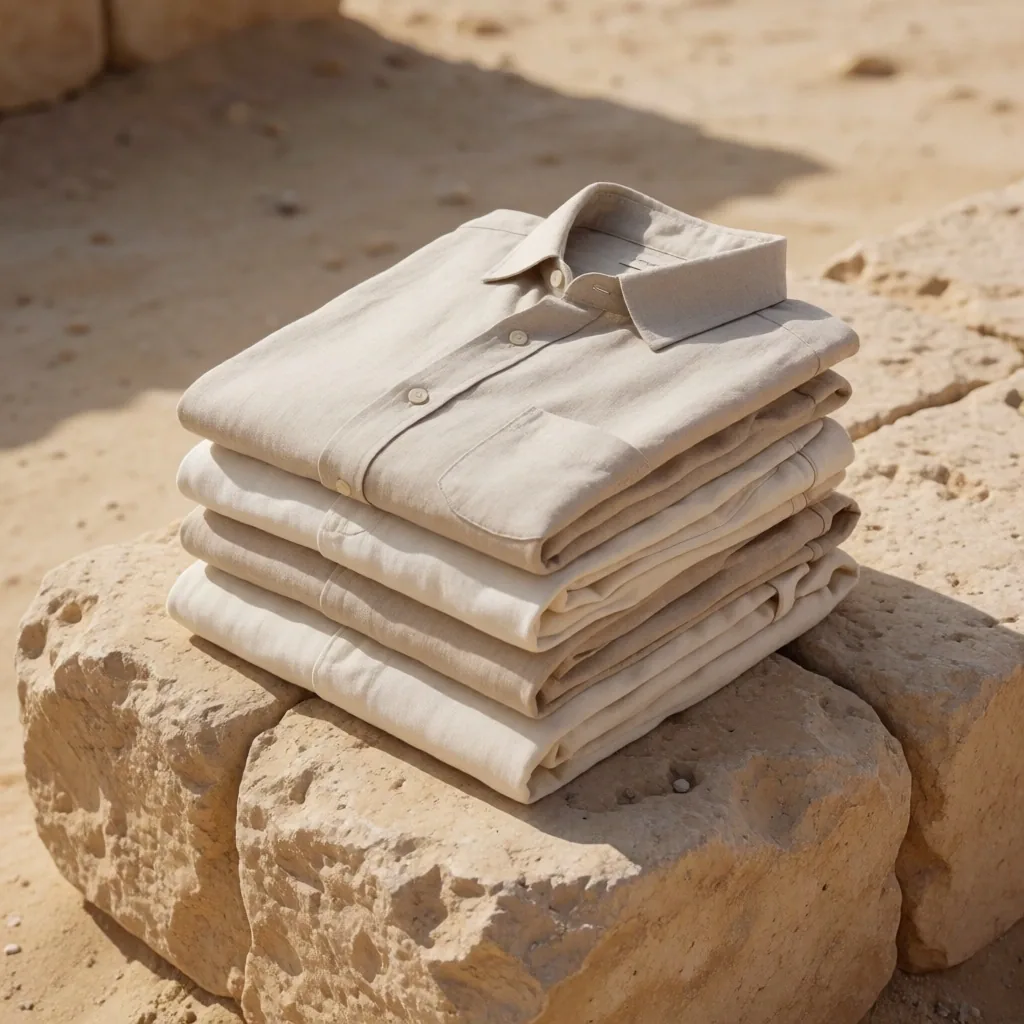
Lightweight, breathable fabrics such as linen and cotton are the standard for daytime activities. These materials allow for airflow and moisture wicking, which is vital when temperatures peak in the early afternoon. Light-colored clothing is preferred as it reflects the sun's rays rather than absorbing heat.
It is also advisable to carry a versatile wrap or scarf to protect the neck and face from sudden wind-borne sand—a common occurrence in desert and coastal regions alike, where dry afternoon gusts can reduce visibility and irritate exposed skin within minutes.
Material
Linen and loose cotton for airflow; avoid synthetics that trap heat against the skin.
Color
Light tones—ivory, sand, pale sage—to reflect sunlight rather than absorb it.
Accessory
A cotton scarf or wrap for neck and face coverage during wind-borne sand.
Section 02 · Footwear
Footwear for Diverse Terrain
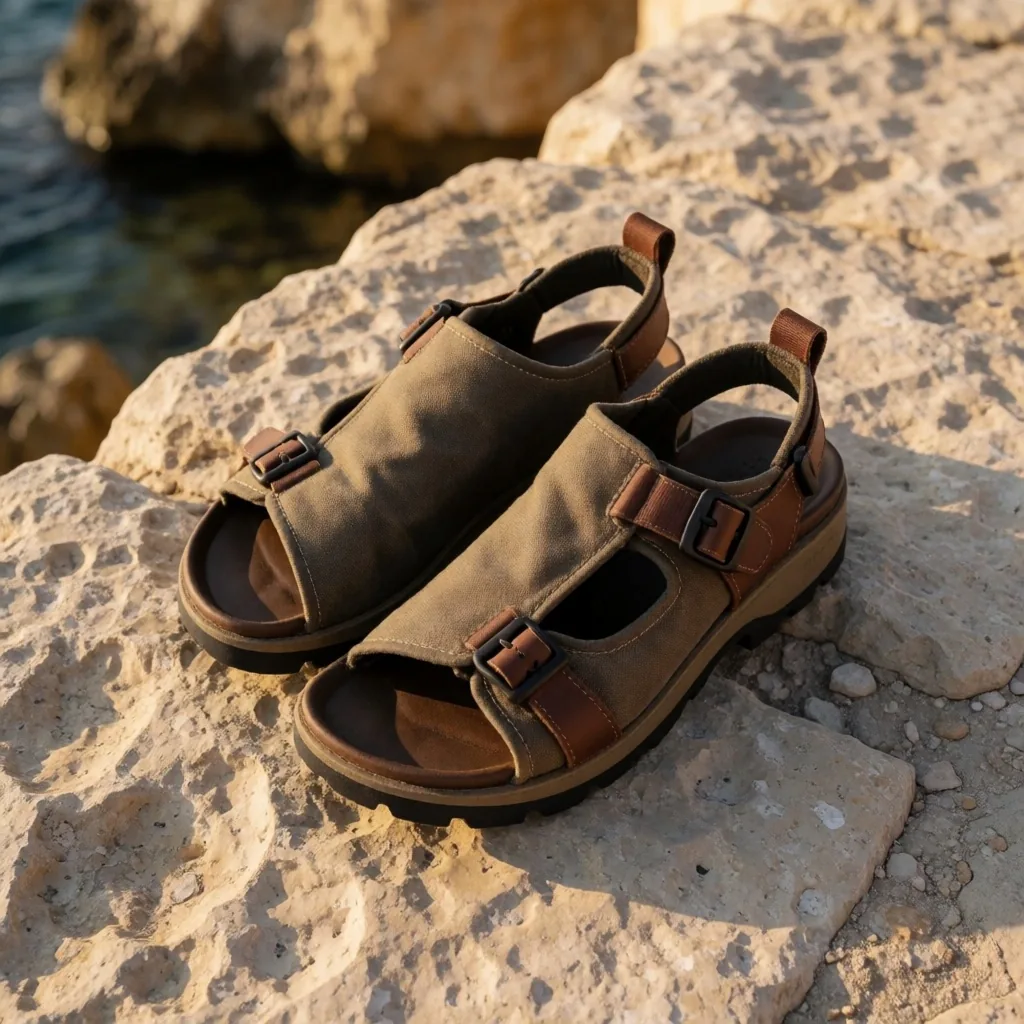
Walking on hot sand requires different considerations than navigating rocky coastal paths. Sturdy, closed-toe sandals with thick soles provide protection from the heat of the ground and potential sharp stones along shoreline trails.
For those planning to explore further inland, lightweight hiking shoes offer the necessary ankle support for uneven limestone surfaces. Always ensure footwear is well-broken in before starting any significant walking tours to avoid blisters in the heat—break them in at home for several days over different surfaces before you travel.
- Closed-toe sandals with thick, insulating soles for hot ground and rocky coastal paths.
- Lightweight hiking shoes with ankle support for inland limestone and uneven desert track.
- Moisture-wicking socks to reduce friction and prevent blisters on long walking days.
Section 03 · Sun Protection
Sun Protection Essentials
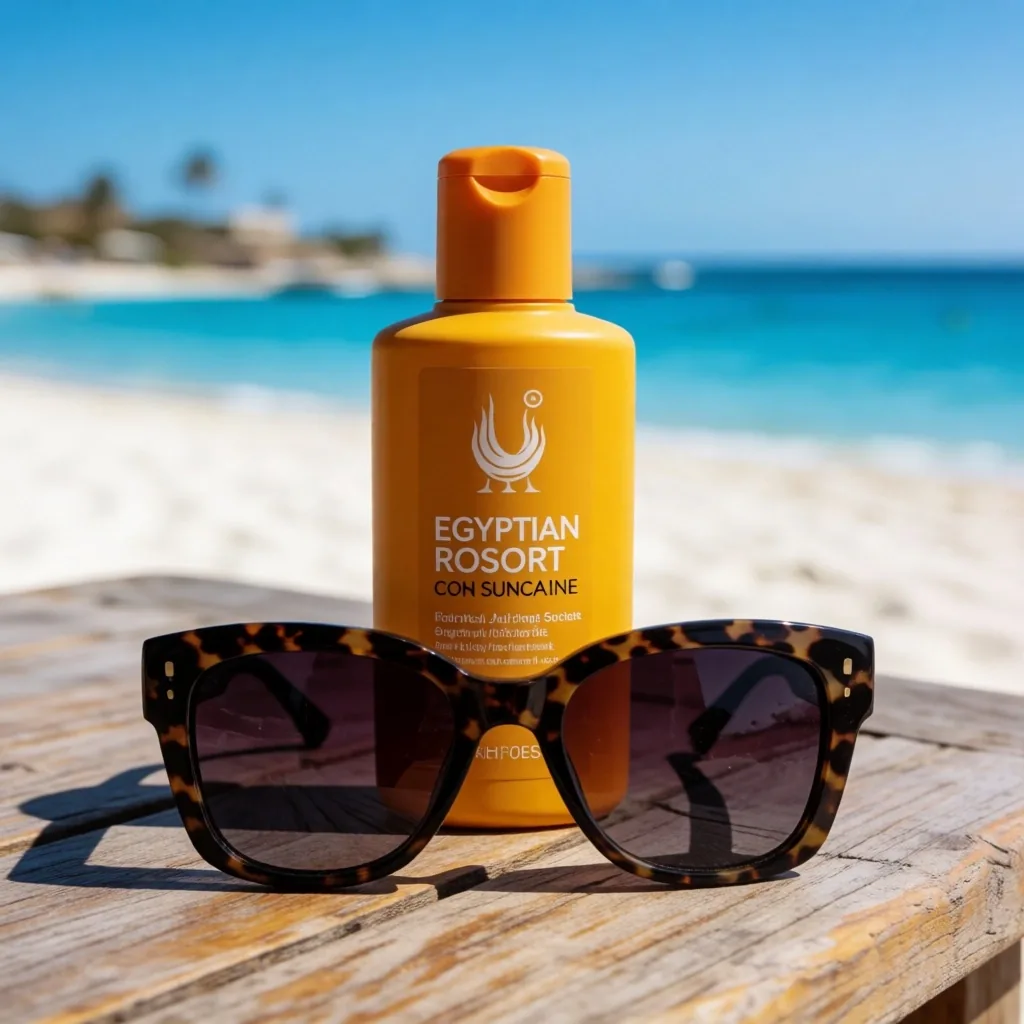
The intensity of the sun in North Africa cannot be overstated, making high-factor protection a non-negotiable item. Broad-spectrum creams, wide-brimmed hats, and UV-rated sunglasses are the primary defenses against skin damage.
Reapplication is necessary throughout the day, especially if spending time near the water where reflection increases exposure. Protection should also extend to the lips and ears—areas that are often overlooked by visitors but are among the first to burn in dry, high-UV conditions.
Primary
Broad-spectrum cream, wide-brim hat, UV-rated sunglasses.
Reapply
Every two hours, and after swimming or heavy perspiration.
Lips & Ears
Often overlooked; use a dedicated SPF lip balm and apply cream behind the ears.
Water Reflection
UV exposure increases near water; take extra care along coastal areas.
Section 04 · Evening Layers
Evening Layering
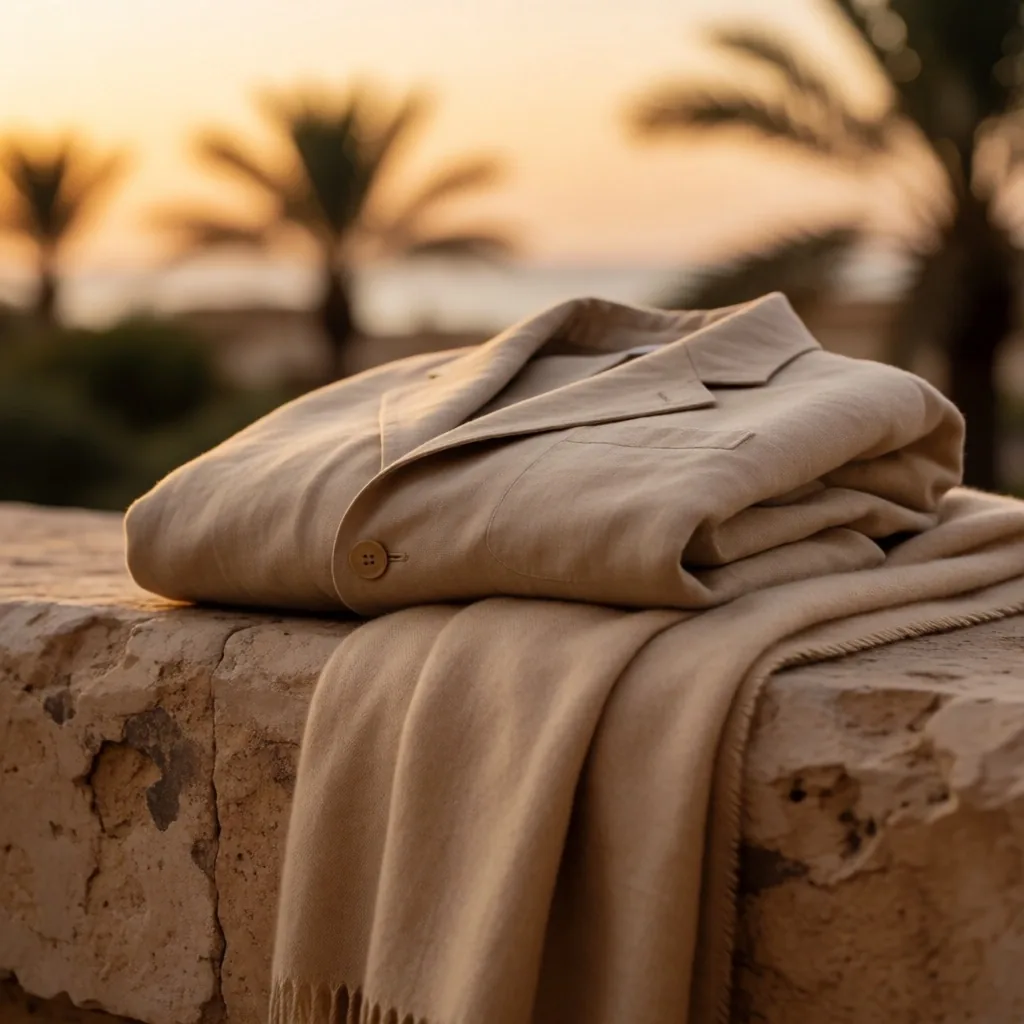
Despite the daytime heat, desert and coastal temperatures can drop significantly once the sun sets. A medium-weight jacket or a wool sweater is essential for evening walks or dinners in open-air settings.
The transition can be rapid, so having a layer readily available in your daypack is a practical move. This thermal shift is one of the most surprising aspects of the regional climate for first-time visitors—afternoon temperatures that feel oppressive can give way to a genuine chill within an hour of sunset, particularly in inland areas far from the moderating influence of the sea.
Day
High heat, full sun protection required.
Sunset
Rapid cooling begins; have a layer within reach.
Night
Medium jacket or sweater; inland drops are sharpest.
Section 05 · Hydration
Hydration and Storage
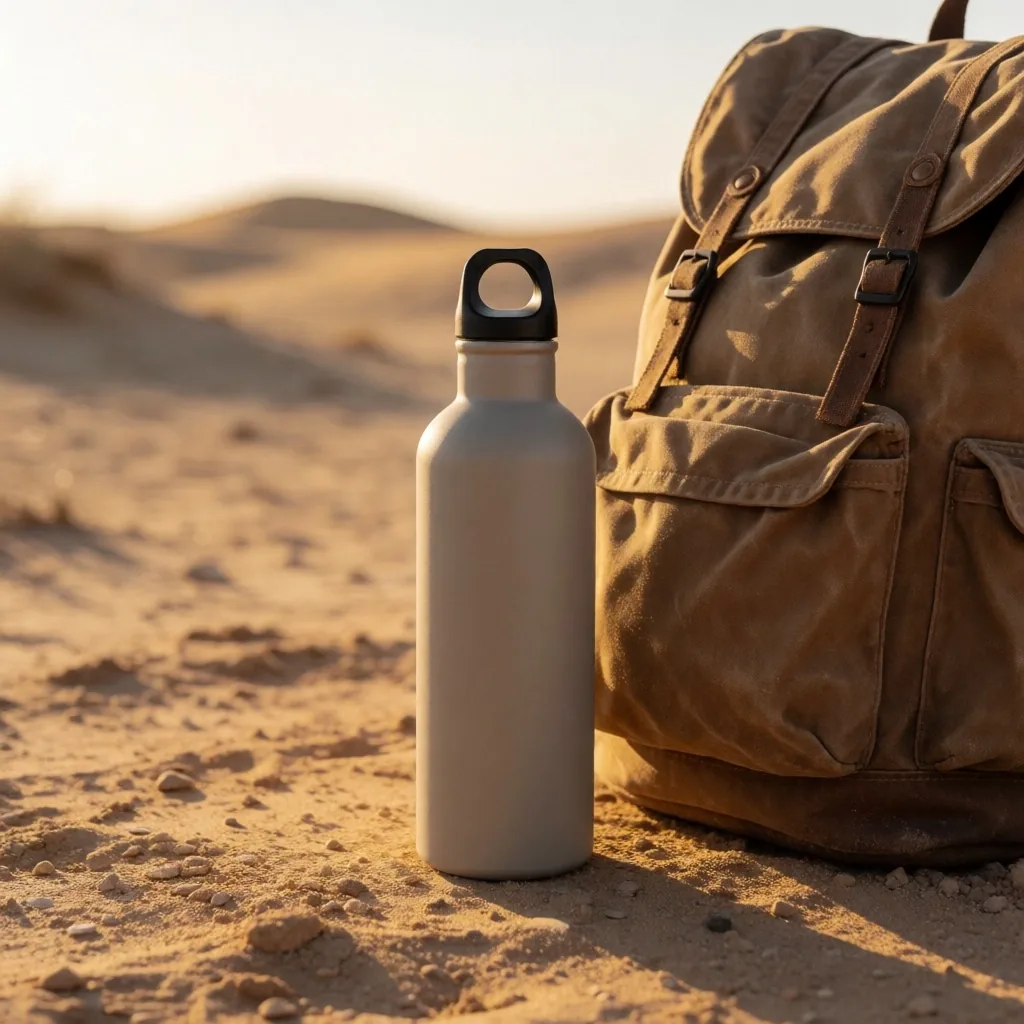
Carrying a reusable, insulated water bottle helps maintain the temperature of your drinks and reduces the need for constant replenishment. Maintaining high fluid intake is the most important factor in preventing heat-related fatigue—aim to drink before you feel thirsty, as thirst is a late indicator of dehydration in dry climates where sweat evaporates almost instantly.
A small, durable daypack with multiple compartments allows you to organize your essentials while keeping your hands free for navigation. Consider a pack with a rain cover—not for rain, but to keep fine dust out of your electronics and documents. Desert silt is extraordinarily fine and works its way into zippers, ports, and seams over the course of a single day's travel.
- Insulated bottle to keep water cool for several hours in direct sun.
- Drink before thirst sets in; dry air speeds fluid loss without visible sweat.
- Daypack with a dust cover to protect electronics from fine desert silt.
- Multiple compartments to separate wet, dry, and electronic items.
Section 06a · Health
Health and Hygiene Basics
A basic personal kit should include items for managing minor abrasions, dust irritation for the eyes, and rehydration salts. The change in diet and environment can sometimes affect the digestive system, so bringing standard preventative supplies is wise.
Hand sanitizers and biodegradable wipes are useful in areas where running water might not be immediately available. Being self-sufficient in these small ways adds a layer of confidence to your travels.
Section 06b · Documents
Document Management
Keeping physical copies of your travel documents in a waterproof and dustproof sleeve is a standard safety measure. While many items are stored digitally, having a hard copy of your identification and contact information is vital in remote areas.
Use a dedicated travel wallet that can be worn under clothing for added security. This ensures that your most important information is always within reach and protected from the elements.
Health Kit
- — Adhesive bandages and antiseptic wipes for minor abrasions
- — Eye drops formulated for dust and dry-air irritation
- — Oral rehydration salts for heat-related fluid loss
- — Hand sanitizer and biodegradable body wipes
- — Standard digestive remedies for dietary change
Document Sleeve
- — Physical ID copies in a waterproof, dustproof sleeve
- — Emergency contact numbers printed on paper
- — Under-clothing travel wallet for daily carry
- — Digital backup stored on a password-protected device
- — Separation of daily carry from primary document storage
Section 07 · Optics
Optical Equipment
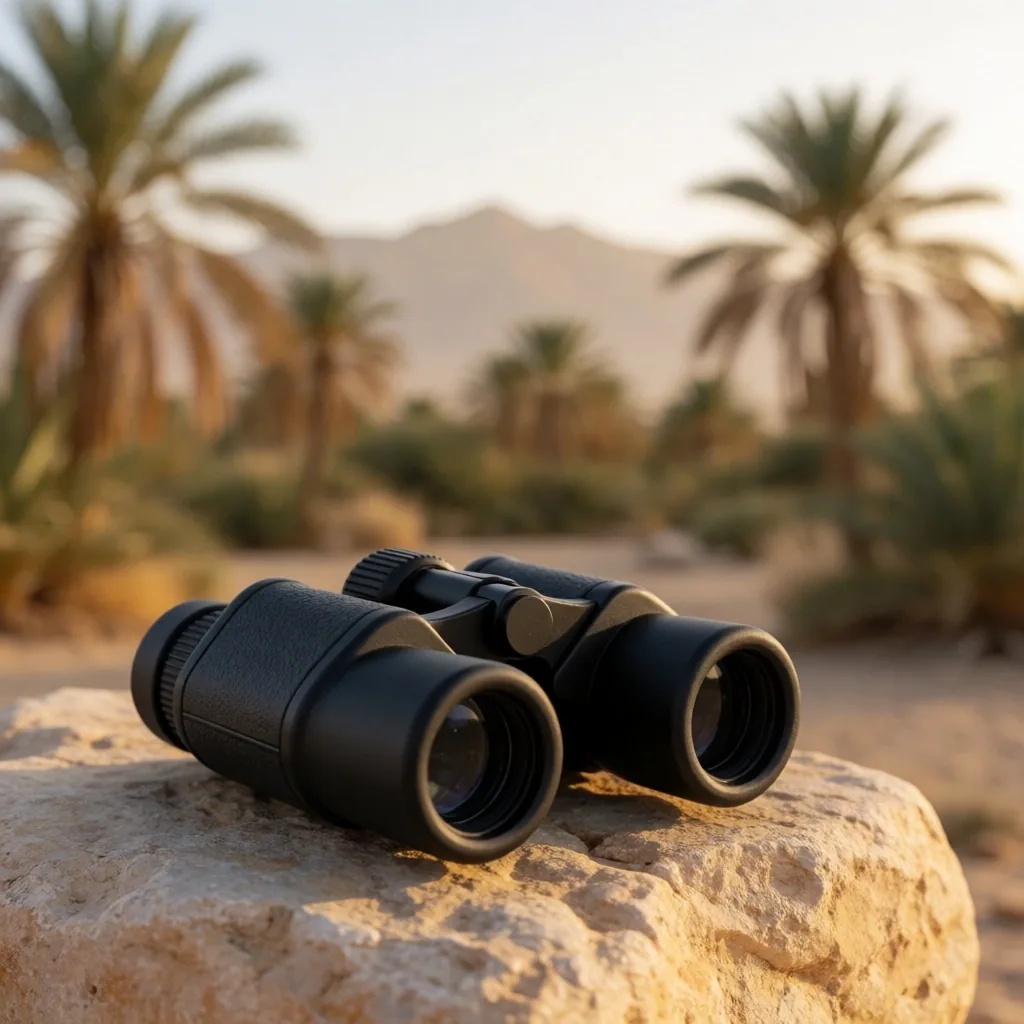
For those interested in the local wildlife and distant landscapes, a pair of compact binoculars is a valuable addition. They allow for the observation of birds and marine life without disturbing their natural behavior—particularly useful along coastal migration routes where wading birds and shore species gather at dawn and dusk.
If you are bringing a camera, ensure you have a dedicated cleaning kit for lenses, as the fine desert silt can be abrasive and will settle on glass surfaces within hours. Protecting your optics is crucial for capturing the clear details of the Egyptian horizon—a fine brush, air blower, and microfiber cloths should be packed in a sealed compartment, not loose in a main bag.
Optics Care
Continue Reading
Take these egypt travelling guides further
Once your bag is packed, the next step is understanding the conditions you will meet on the ground. Our travel guides cover regional weather patterns and local norms so you arrive prepared, not just equipped.