
Egyptian Oasis Guides
Understanding Regional Etiquette and Social Norms
Respectful interaction with the local culture is a hallmark of a thoughtful traveller into Egypt. The social fabric of the resort regions blends traditional values with a welcoming attitude toward international visitors. This guide covers the practical aspects of behavior, dress, and communication that help you integrate smoothly into the local rhythm.
Topic 01 — Attire
Dress Code Expectations
While resort areas are generally more relaxed, modesty is highly valued in public spaces and residential zones. Clothing that covers the shoulders and knees is appropriate for both men and women when leaving the immediate beach or pool areas.
This approach is not only respectful of local sensibilities but also provides better protection against the intense desert sun. Lightweight linen and cotton fabrics in loose cuts keep you comfortable while meeting local expectations.
When visiting religious or traditional sites, more conservative attire may be required. A scarf or shawl carried in your day bag is a practical way to cover shoulders or hair on short notice, and long trousers for both men and women are generally expected at such locations.
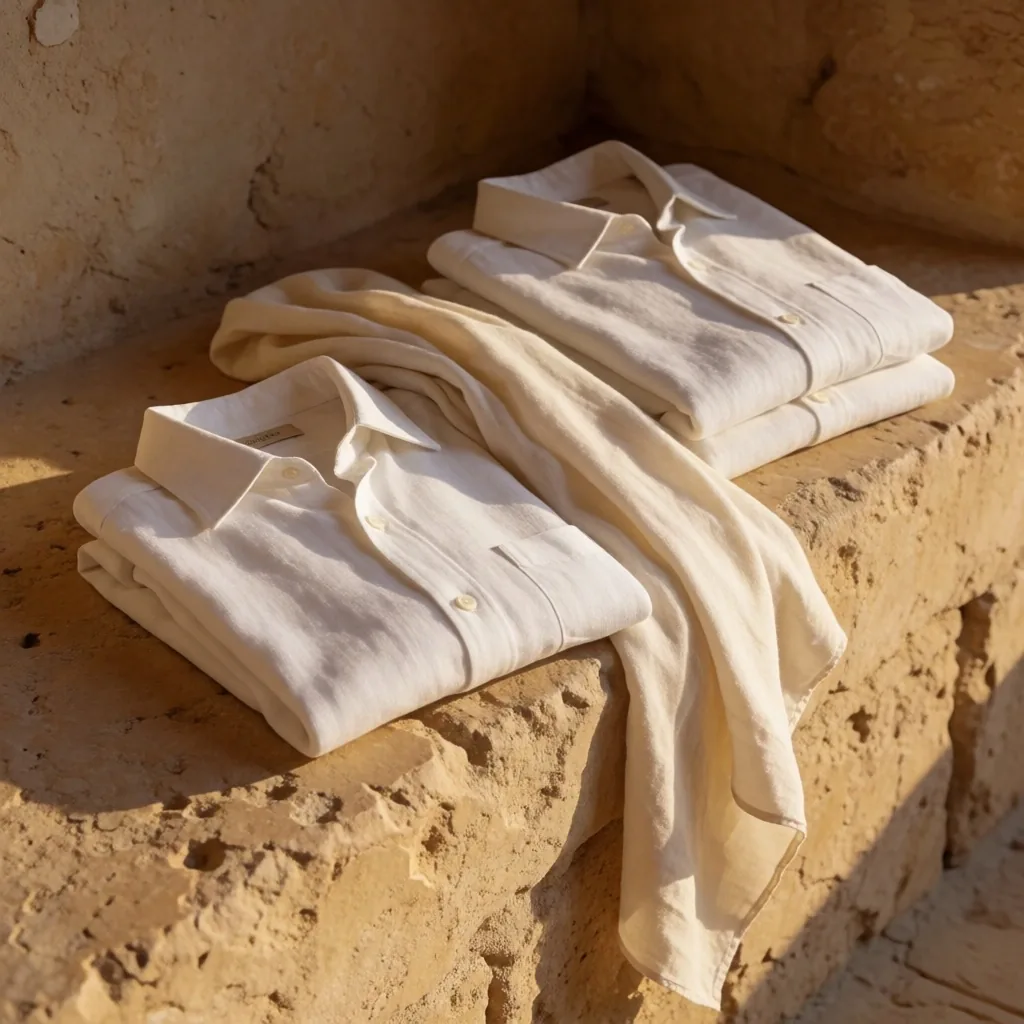
Loose fabrics · Sun protection · Cultural respect
Right Hand
The Handshake
Handshakes are a common form of greeting, usually performed with the right hand. It is polite to acknowledge people with a smile and a brief verbal greeting, even if you do not speak the language fluently. A warm smile is universally understood.
Patience
The Pace
Patience is a key component of social interaction. The pace of life and conversation can be slower than in Western urban centers. Rushing a greeting or a conversation is often seen as a sign of disrespect or agitation.
Warmth
The Acknowledgment
Taking a moment to greet shopkeepers, guides, and hosts before transitioning to any request establishes goodwill. This brief exchange costs nothing and sets a positive tone for every interaction that follows during your stay.
Topic 03 — Pacing
The Concept of Time
In many parts of the region, time is viewed with more flexibility than the rigid schedules found elsewhere. While transport and scheduled events aim for punctuality, social appointments may have a wider window of arrival.
Embracing this slower approach can reduce stress and allow you to enjoy the atmosphere of the oases and coastal towns. Understanding that things may take a little longer is part of the cultural experience — and often where the most genuine moments occur.
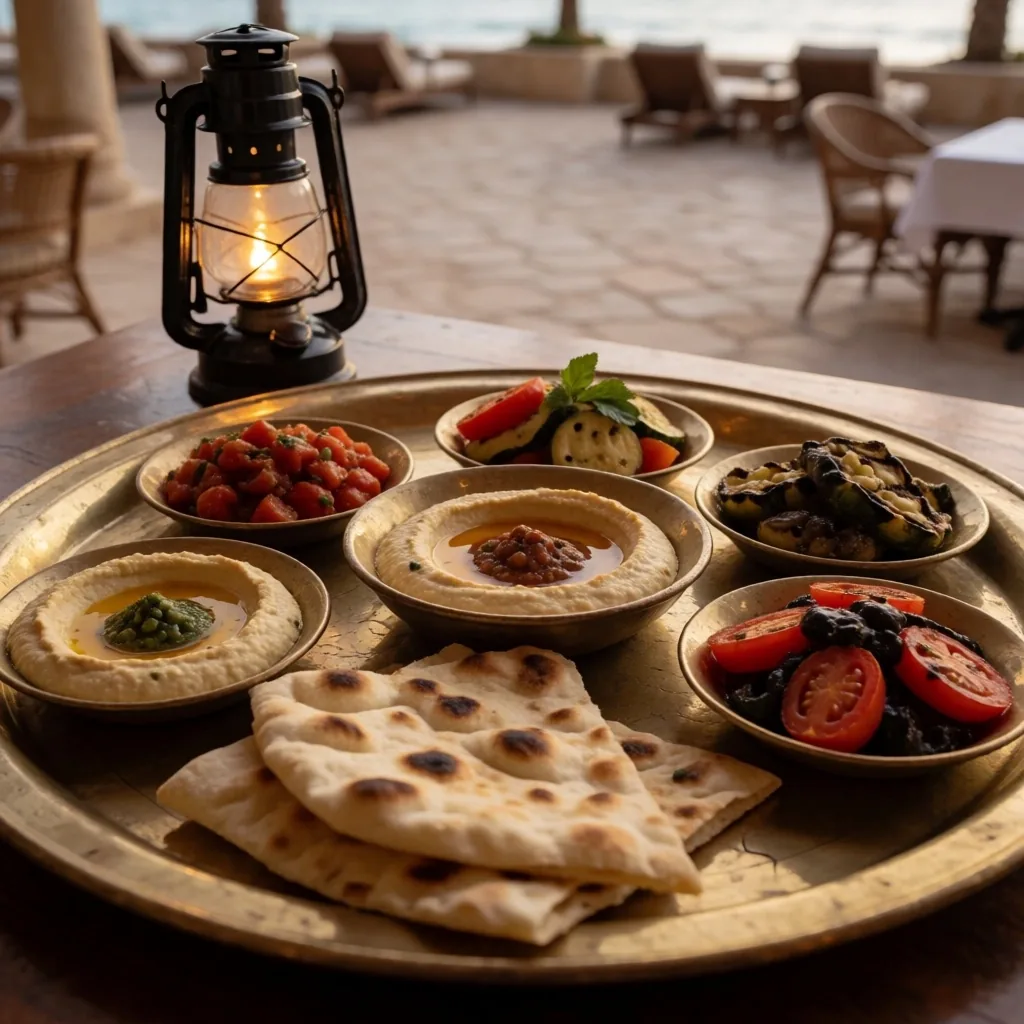
Shared plates · Right hand · Hospitality
Topic 04 — Table Customs
Dining Etiquette
When eating in local establishments or if invited to a home, it is customary to use the right hand for handling food. Many traditional meals are served in a communal fashion, emphasizing the importance of shared experience over individual portions.
It is polite to accept a small amount of what is offered, even if you are not particularly hungry, as a gesture of appreciation for the host's hospitality. Refusing food outright can come across as dismissive, so a token portion is always the better path.
Leaving a small amount of food on your plate can signal that you have been well-provided for. Cleaning the plate completely may prompt an eager host to refill it, so a gentle remainder is a quiet way to indicate satisfaction.
Topic 05 — Gratuity
Tipping and Gratuity Culture
The Practice
The practice of providing a small gratuity for services, known locally as baksheesh, is deeply ingrained in the social economy. It is not simply about the money — it is an acknowledgment of service and a way of maintaining social ties between guests and hosts.
Keeping small denominations of local currency handy is practical for these frequent interactions. A few coins for a parking attendant, a bag carrier, or a restroom attendant are customary and appreciated.
The Boundary
It is important to distinguish between a genuine tip for service rendered and unnecessary solicitation. A polite but firm decline is an acceptable response when a gratuity is requested without a corresponding service.
Reading the situation calmly helps. If someone has assisted you in a meaningful way — carrying luggage, giving directions, or providing attentive service — a small gratuity is the expected gesture of thanks.
Topic 06 — Lens Awareness
Photography Sensitivity
Always ask for permission before taking photos of local people, especially in more traditional or rural settings. Some individuals may prefer not to be photographed for personal or religious reasons, and respecting this privacy is paramount.
Focus your lens on the natural landscape — dunes, coastlines, and palm groves are generally the safest and most appreciated subjects.
Ask with a gesture — point to your camera and smile. A nod means yes, a raised hand means stop.
Taking pictures of sensitive infrastructure, such as bridges or government buildings, as this can lead to misunderstandings with local authorities.
Photographing uniformed personnel or checkpoints, even casually, as these are treated seriously under local law.
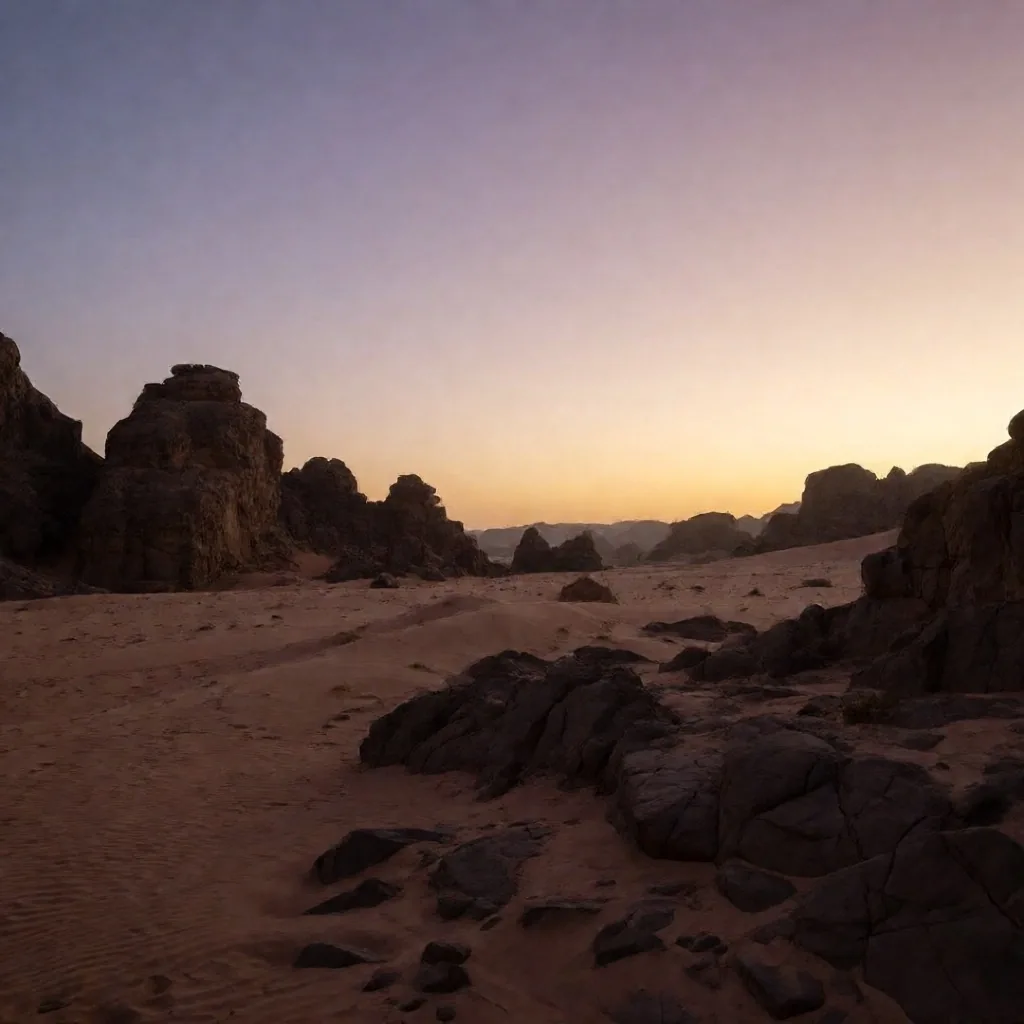
Landscapes first · Permission always
Topic 07 — Words & Gestures
Language and Communication
Learning a few basic phrases in the local language, such as hello, thank you, and please, goes a long way in building rapport. Most people in resort areas speak some English, but the effort to use local terms is always seen as a positive gesture. Keep your tone of voice moderate, as loud speaking in public can be perceived as aggressive.
Greeting
Ahlan
A simple hello. Pair it with a smile and a slight nod. Most locals will respond with warmth and may switch to English to help you along.
Thanks
Shukran
Thank you. Useful at every turn — market stalls, restaurants, guides. Say it clearly and without rush, and it will be returned with a smile.
Gesture
Hand to Heart
A hand placed briefly over the chest after a greeting conveys sincerity and thanks. This non-verbal cue bridges any language gap and signals genuine respect.
Topic 08 — Stewardship
Environmental Respect
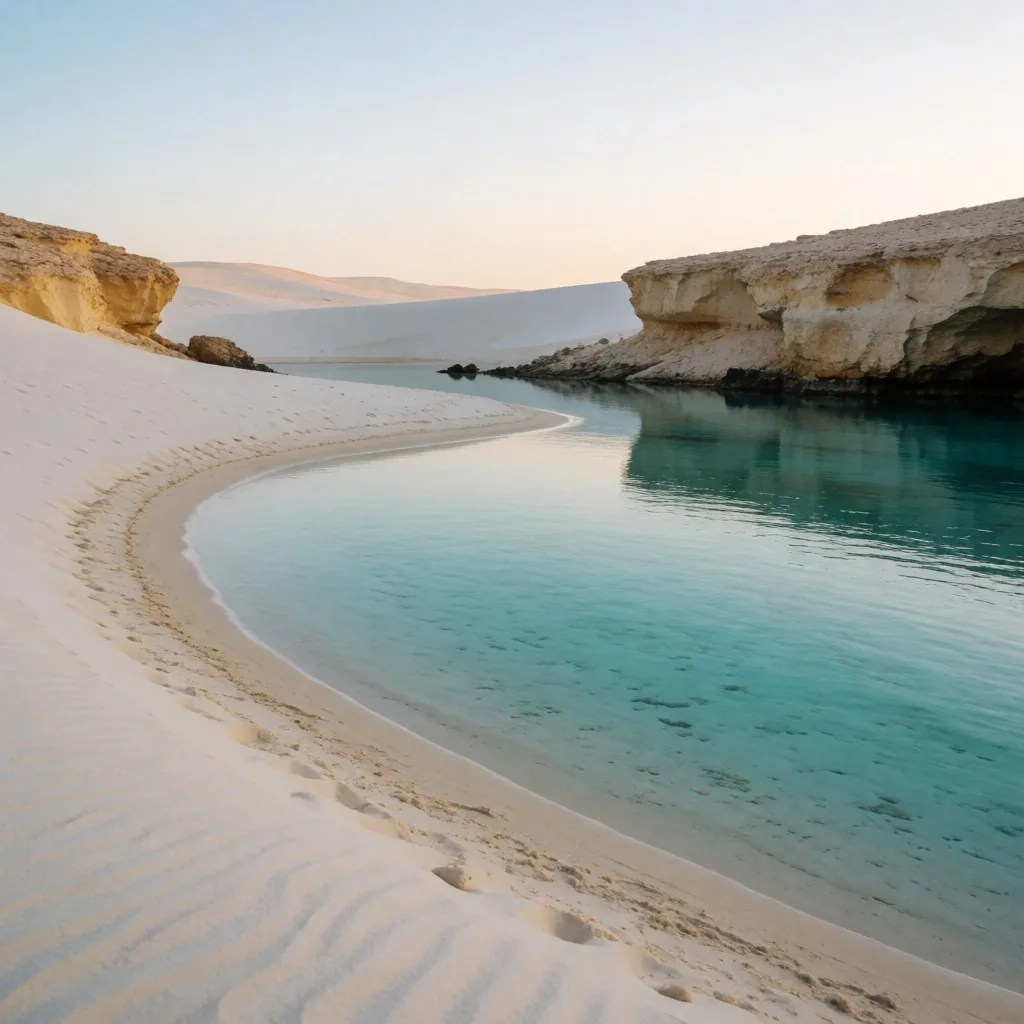
The locals take great pride in their natural surroundings, and showing respect for the land is a form of cultural etiquette. Avoid littering and stay on designated paths when exploring the desert or coastal areas.
Demonstrating an interest in local conservation efforts can be a great way to start a conversation and show that you value the region's heritage. Simple acts — carrying your waste back to town, not disturbing wildlife, leaving stones and shells in place — speak louder than words.
Your behavior as a guest reflects on your community and influences how future travellers are perceived. Every respectful choice paves the way for those who follow.
Reference
Quick Reference for the Traveller into Egypt
These egypt travelling guides answer the questions that come up most often when visitors prepare for social situations in resort areas and beyond. Each response is drawn from the cultural norms covered above.
Clothing that covers the shoulders and knees is appropriate for both men and women in public spaces and residential zones. A lightweight scarf adds flexibility for visiting more conservative sites. Loose, breathable fabrics keep you comfortable while meeting local expectations.
Not at all. Social appointments in the region often carry a wider window of arrival than visitors may be used to. Scheduled transport and guided events still aim for punctuality, but casual gatherings allow for a relaxed approach to time.
Distinguish between a genuine tip for a service rendered and unnecessary solicitation. If someone has assisted you — carrying luggage, giving directions, providing attentive service — a small gratuity is the expected gesture. If no service was provided, a polite decline is perfectly acceptable.
Always ask permission before photographing local people. Focus on natural landscapes for the safest approach. Avoid taking pictures of bridges, government buildings, uniformed personnel, or checkpoints, as these can lead to misunderstandings with local authorities.
Most people in resort areas speak some English. Learning a few phrases — hello, thank you, please — is always appreciated and builds rapport. Non-verbal communication, such as a hand placed over the heart, also conveys sincerity and thanks when words fall short.
Continue Reading
Prepare with confidence for your journey through Egypt
These travel guides complement what you have read here. Continue with practical preparation, natural scenery, and seasonal weather to round out your understanding before you set out.
Our Office
22 El-Sheikh Mohammed El-Mahdi, Al Golf, Nasr City, Cairo Governorate 11341, Egypt