
Egyptian Oasis Guides · Travel Guides
Diverse Landscapes: From Red Sea Coasts to Desert Oases
The natural beauty of the region is defined by its stark contrasts — the vibrant blue of the sea meeting the golden hues of the sand. For anyone following egypt travelling guides, the focus is often on these breathtaking transitions between water and land. This page provides a detailed look at the various types of natural environments you will encounter.
Field Orientation
Reading the Landscape Without the Labels
The environments described here — the fringing reefs, mangrove forests, sandstone canyons, high plateaus, natural springs, coastal dunes, salt marshes, and granite mountains — each respond to the same forces in different ways. Wind shapes the dunes and carves the canyons. Water feeds the mangroves and the springs. Salt accumulates where it cannot drain away. Understanding these relationships helps any traveller into Egypt read the terrain on its own terms, rather than through commercial labels or institutional affiliations.
What follows is a field-by-field account of what you will actually see and feel: the temperature inside a canyon versus the open desert, the colour shifts of a reef at different hours, the texture of a salt crust underfoot, the way a single spring turns barren ground into a cluster of palms. These details matter most when you are trying to prepare for conditions that change every few hundred metres.
01 · The Fringing Reefs
The Reef as a Living Breakwater
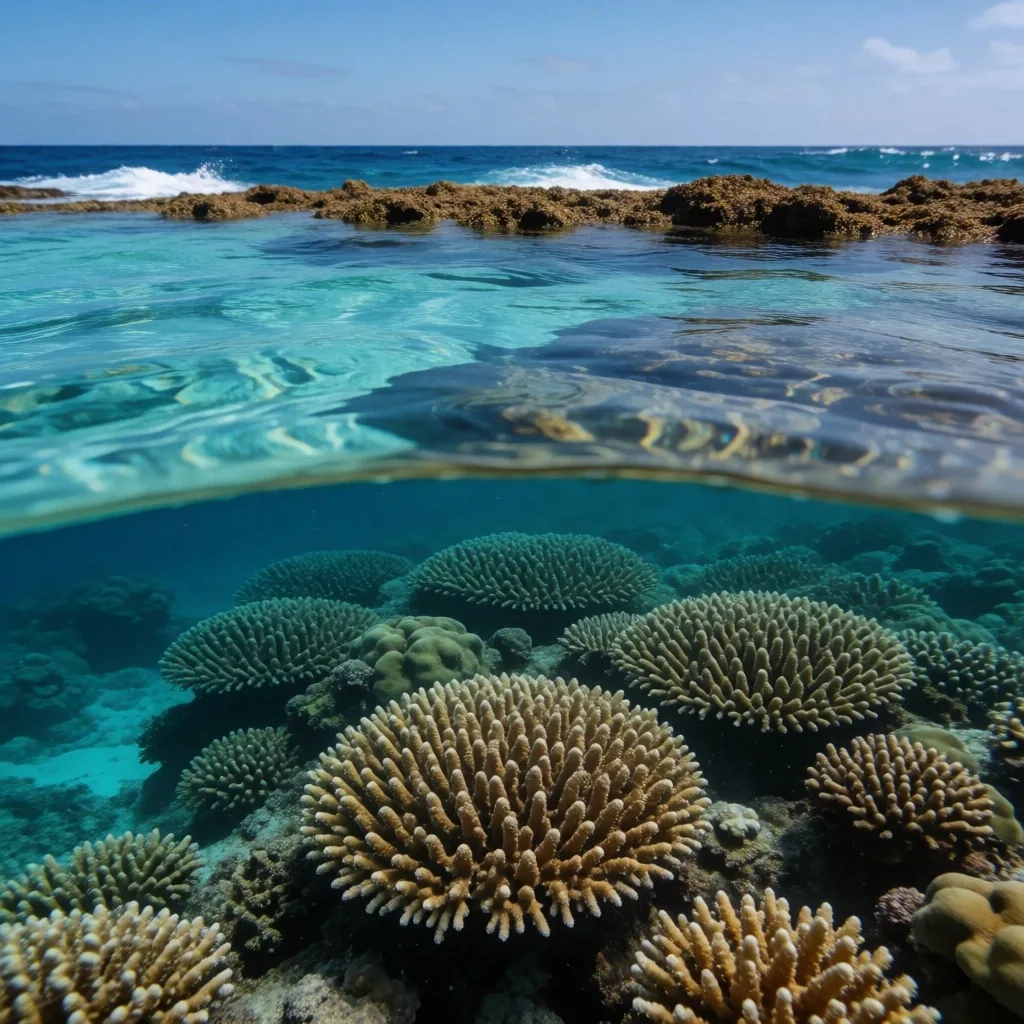
Along the coastline, the fringing reefs create a natural barrier that protects the shore from heavy waves. These ecosystems are home to hundreds of species of coral and fish, and the water inside the reef is typically calm — ideal for surface observation and studying marine biology up close.
The colours of the reef shift with the angle of the sun. Early morning light brings out blues and greens; the late afternoon warms them toward amber. Carry a dry bag for anything that should not get wet, and polarised lenses to cut surface glare — the reef reads more clearly when the reflection is removed.
02 · The Mangrove Forests
Green Leaves Rising From Salt Water
In certain coastal pockets, rare mangrove forests thrive in the saltwater environment. These trees are essential for coastal protection and serve as a nursery for many marine species. The sight of green leaves emerging from the salty waves speaks to the adaptability of the local flora — and these areas are often quieter than the sandy stretches nearby.
Habitat
Saltwater Tolerance
Mangroves filter salt through their roots and leaves, allowing them to grow where no other tree survives. Their root systems also trap sediment and slow coastal erosion.
Role
Marine Nursery
The tangled roots shelter juvenile fish and invertebrates until they are large enough to move into open water. The forests are a good place to observe small marine life quietly.
Experience
Quiet Observation
Approach slowly. The water is shallow here, and the root systems are fragile. A mask or glass-bottom view reveals far more than wading.
03 · Sandstone Canyons
Corridors of Geological Time
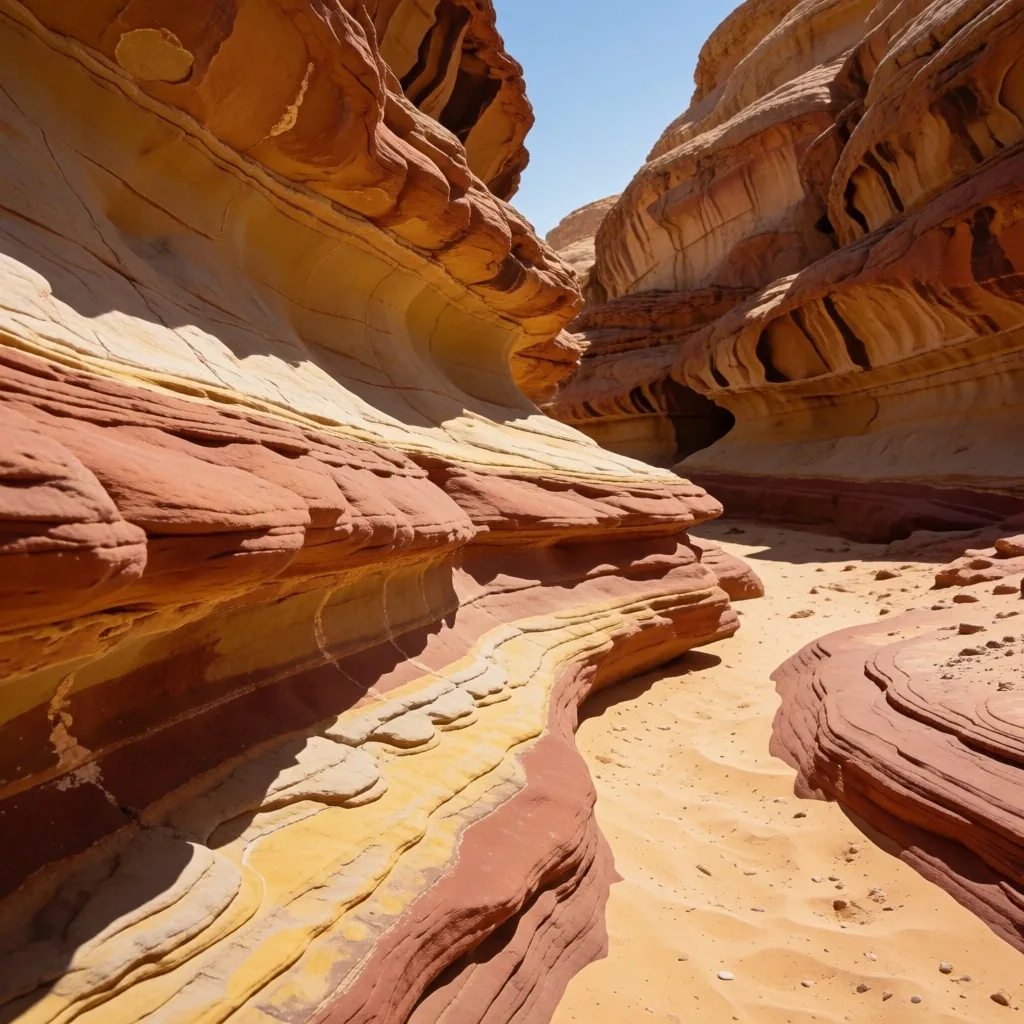
Moving inland, the landscape is punctuated by deep canyons carved by wind and ancient water flows. The walls display layers of history, with colours ranging from deep red to pale yellow. Walking through these natural corridors provides a sense of the sheer scale of the desert's geological story.
The temperature inside these canyons is often several degrees cooler than the open desert, a natural respite from the sun. The walls narrow the wind and shade the floor — bring a layer even on a hot day, and time your walk for the hours when the sun angles light the walls rather than wash them out.
04 · High Desert Plateaus
Flat, Windswept, and Wide Open
The elevated plateaus offer panoramic views of the surrounding plains and the distant sea. These areas are characterised by flat, windswept surfaces and sparse vegetation. The sense of isolation and vastness here is genuine — it is a place for quiet reflection rather than movement.
The ground is often covered in small pebbles and desert varnish — a dark coating formed over thousands of years by oxidation and wind-borne minerals. It looks brittle because it is: stepping off established paths damages a surface that takes centuries to renew. Staying on marked ground is not a rule posted on a sign — it is basic respect for the geology underfoot.
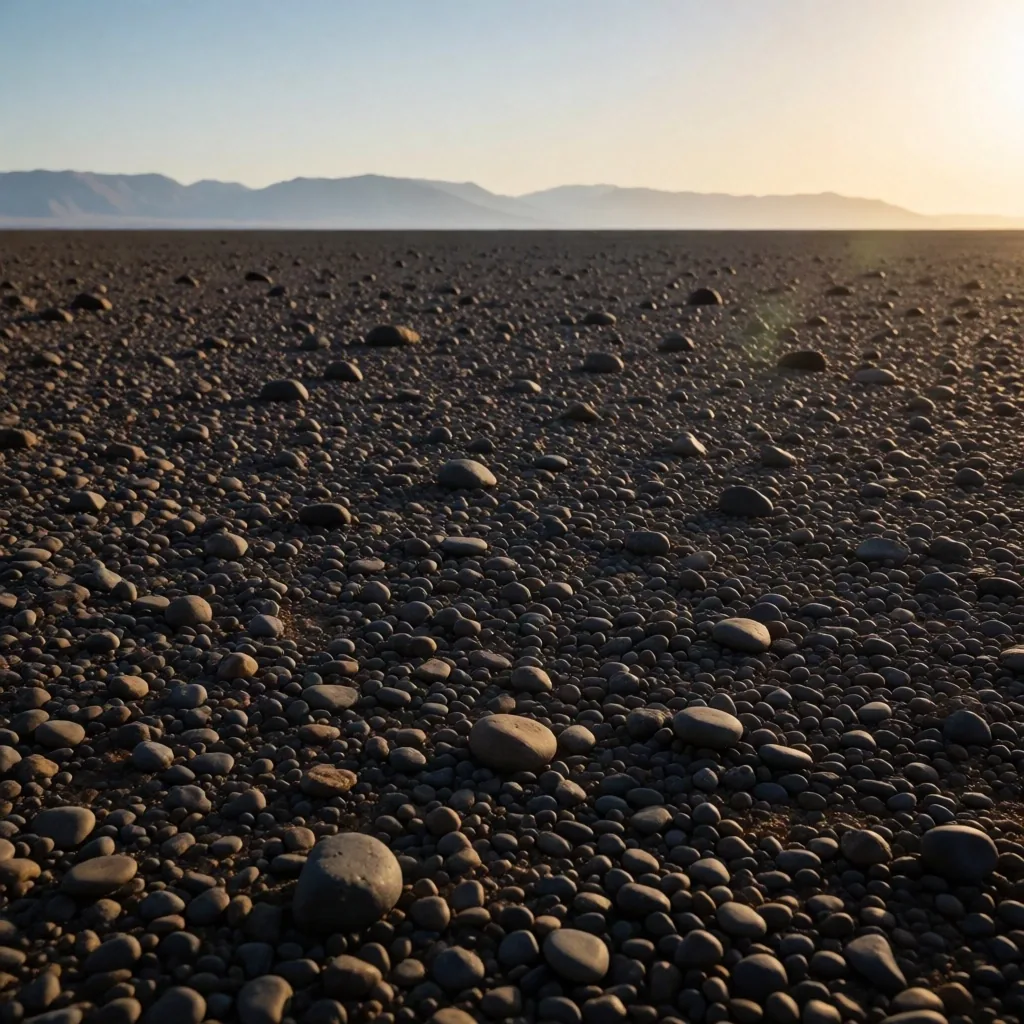
Desert varnish forms over millennia
05 · Natural Springs and Wells
Where Water Turns the Desert Green
Scattered throughout the more arid regions are natural springs that have been used by travellers for millennia. These water sources are the lifeblood of the desert, often surrounded by small clusters of palms and hardy shrubs. Observing these spots allows you to see how the presence of water immediately transforms the landscape — from bare stone to green within a few metres.
Spring Characteristics
Springs emerge where groundwater reaches the surface through fractures in the rock. The water is often mineral-rich and warm, supporting a narrow band of vegetation in an otherwise barren landscape.
What to Observe
The contrast is visible within steps: dry gravel giving way to reeds, then palms, then the water itself. Birds and insects concentrate here. Keep a respectful distance from the water's edge — these are fragile systems.
These springs represent the fragile balance of life in the region and are vital for local wildlife. Any traveller into Egypt who spends time in the arid zones will notice that the springs are also gathering points — not just for animals, but for the human history of the route.
06 · Coastal Dunes
Sand in Motion Between Desert and Ocean
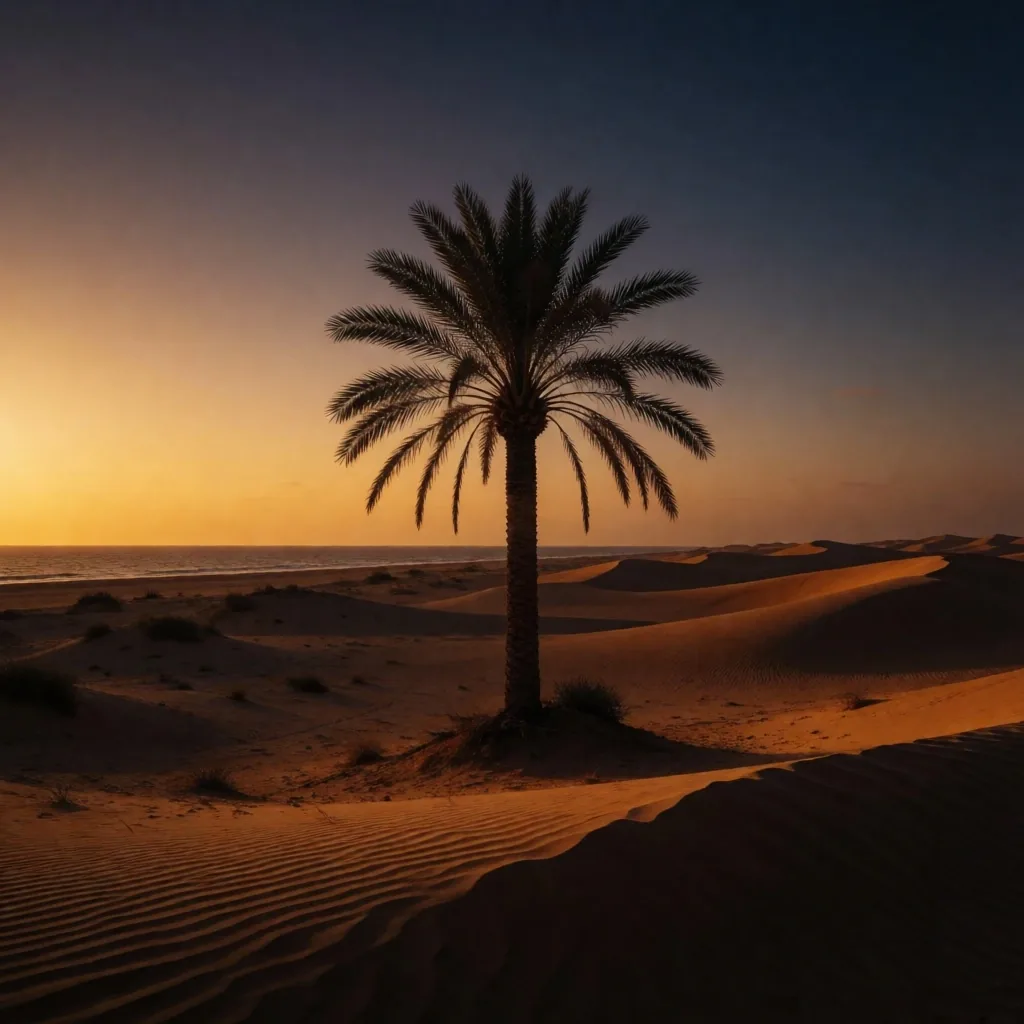
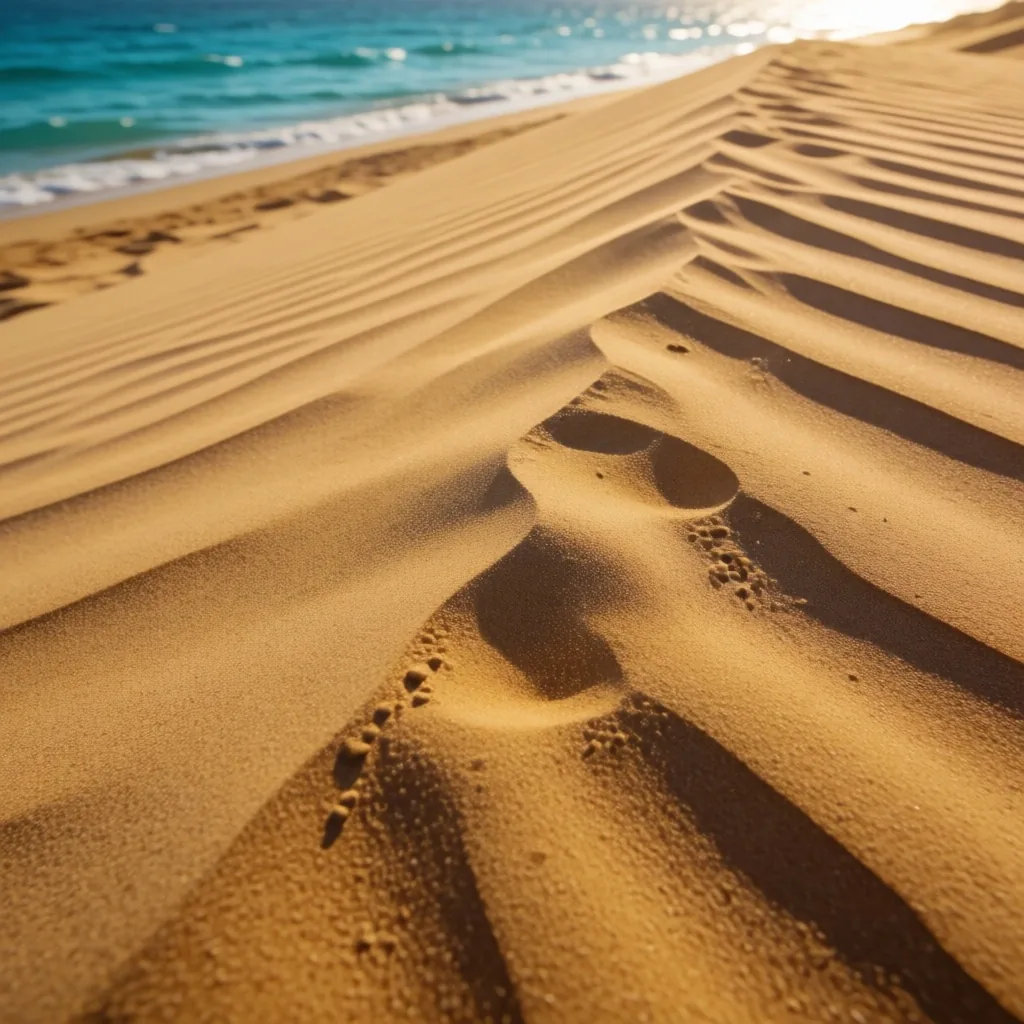
The dunes near the sea are constantly in motion, reshaped by the prevailing winds. These hills of sand act as a buffer between the desert and the ocean, hosting specialised plants that can survive in shifting soil. The patterns created by the wind on the surface of the dunes are a natural art form — soft ridges that change daily.
Exploring these areas requires an understanding of the soft terrain and the importance of preserving the dune structure. Walking on the crest breaks the root systems of the plants holding the dune together. Stay low on the slopes and avoid the peaks — the view from the side is just as wide, and the dune stays intact.
07 · Salt Marshes and Sabkhas
White Crusts Over Hidden Life
In low-lying areas, salt marshes — or sabkhas — form where water evaporates, leaving behind mineral crusts. These white expanses can look like snow from a distance and have a unique, brittle texture underfoot. While they may appear barren, they support specific micro-organisms and are often visited by birds looking for salt-tolerant insects.
Formation
Evaporation Crust
Water collects in shallow depressions, evaporates under the sun, and leaves a crust of salts and minerals. The surface looks solid but is often soft underneath.
Ecology
Hidden Micro-Life
Salt-tolerant bacteria and algae live within and under the crust. Wading birds come for the insects that feed on that life — the surface is not as empty as it looks.
Caution
Brittle Underfoot
The crust can break under weight, and the mud beneath is often saturated. Test a small section before committing — closed shoes are better than sandals here.
These formations are a reminder that the desert's chemistry is as active as its geology. The same wind that carves the canyons also drives evaporation here, concentrating salt into a landscape that looks inert but is quietly working.
08 · The Granite Mountains
Jagged Peaks, Long Shadows
In the southern reaches of the resort zones, the landscape turns toward jagged granite peaks. These mountains provide a dramatic backdrop to the coastal plains and influence the local weather patterns — they channel wind, hold cooler air in their valleys, and cast long shadows across the plains in the late afternoon.
The shadows cast by these peaks create a striking visual contrast across the valleys as the day ends. They are a reminder of the tectonic forces that shaped the region long before human history began — forces still visible in the grain of the rock and the angle of the ridgelines.
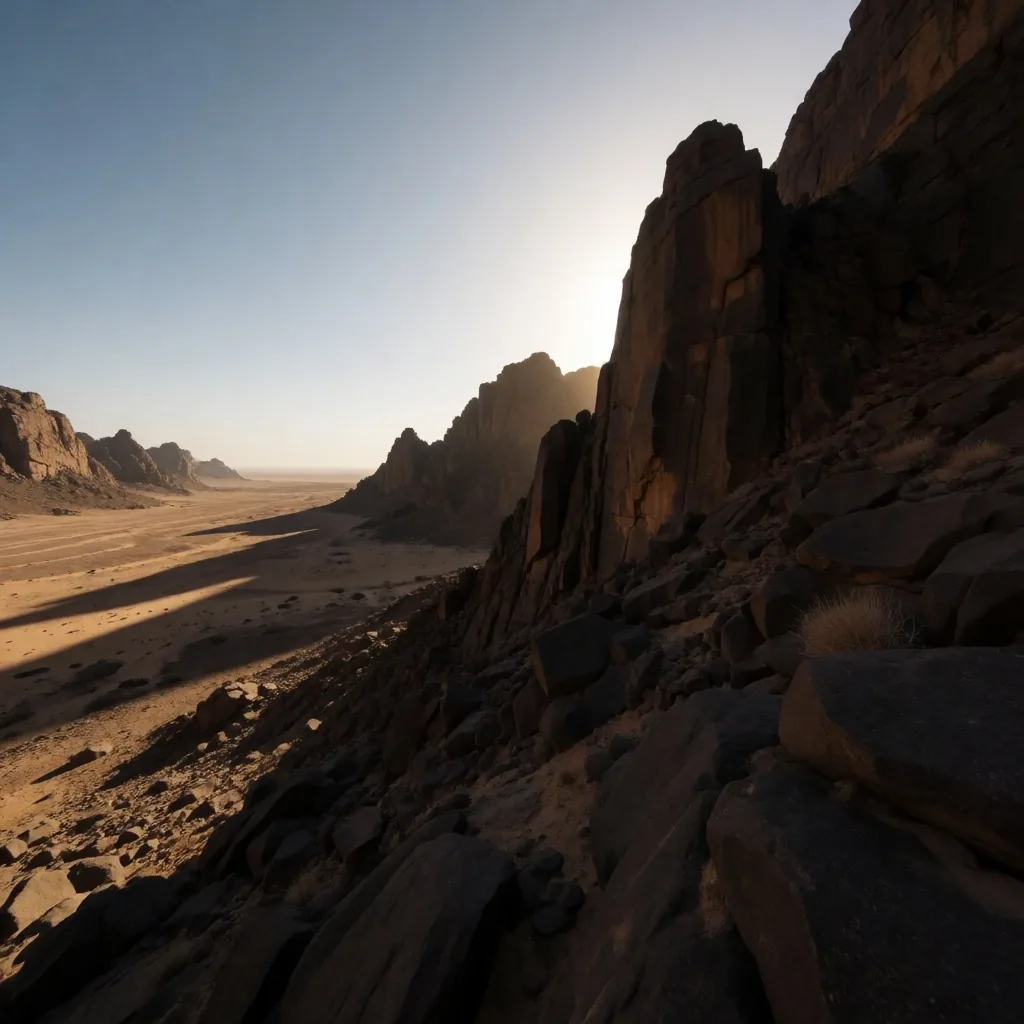
Late afternoon · Shadows across the valleys
Continue Reading
Learn About Landscapes, Season by Season
The environments on this page change through the year. Reef visibility shifts with water temperature; the dunes move with the prevailing winds; the springs contract in the dry months. The seasonal weather guide breaks down what to expect month by month, and the packing list explains what to bring for each condition.
Egyptian Oasis Guides · Field Notes
Address
22 El-Sheikh Mohammed El-Mahdi, Al Golf, Nasr City, Cairo Governorate 11341, Egypt
Phone
+201021188477
Email · Hours
[email protected] · Mon–Fri 09:00–18:00